Despite many of the advantages that AI can contribute to fighting the environmental crisis, so let's break down the issue.
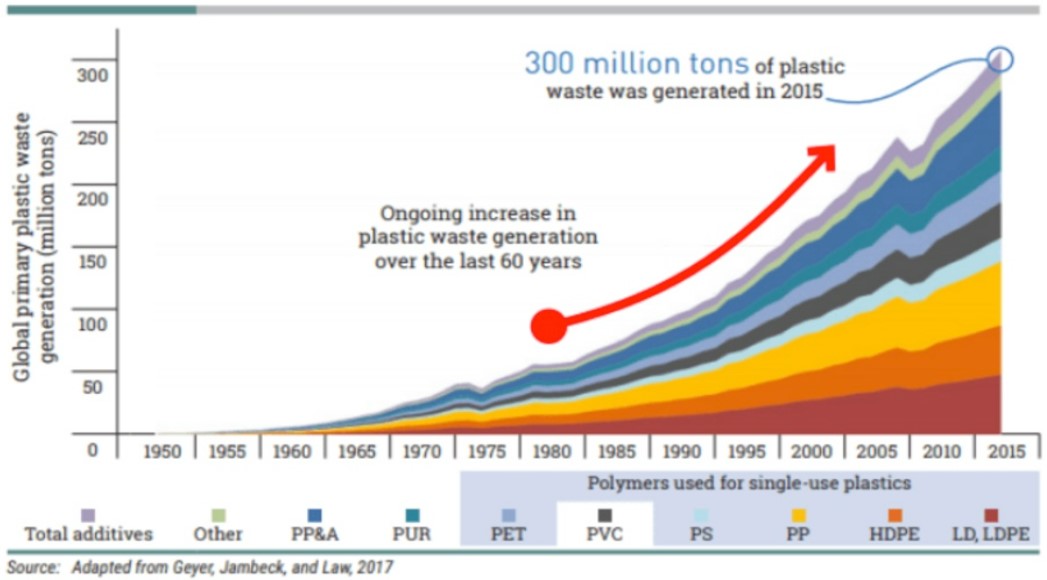
Pollution of our oceans is of great concern because it has negatively impacted the food industry, human health, and tourism. The problem has grown exponentially within the last couple decades and it is only getting worse. There are collections of floating debris the size of Mongolia on the ocean’s surface. However, only about 1% of the pollution in the ocean actually floats on the surface. This pollution can entangle or poison marine plants and animals. It can harm the very ecosystem that provides approximately half of the world’s breathable oxygen, and the production of plastics is not slowing down.
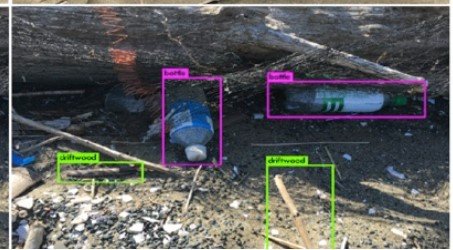
Large particle plastic waste detection is a large part of the current uses of AI in marine environments. Computer models are used to teach the AI the difference betweeen shells, driftwood, and the target plastics. Cameras such as GoPro’s are then used to capture and identify images of the plastic pollution and GPS is able to locate the large areas that plastic may accumulate. These cameras can be mounted to aerial drones, autonomous subs or even on the bottom of reasearch and fishing boats. However, current studies have only been able to detect plastics bigger than 5mm in size. Detecting microplastics is still an area where further research must be done.
Despite many of the advantages that AI can contribute to fighting the environmental crisis, there are many ethical issues that come with continuing its development. For instance, the materials required to make AI can be harmful to the environment. For example, the production of electronics uses a complex combination of toxic materials such as chlorinated and brominated substances, photoactive chemicals, toxic gases, acids, solvents, heavy metals, plastics, and plastic additives. In addition programming and machine learning can use large amounts of power. Environmental models need to be created and updated regularly and the most accurate picture is obtained by comparing several models against each other. These calculations can only be done with the help of AI. So is it worth it? We think the jury is still out on that and some thought needs to be put into making the process "greener". See the pro/con table below;
| Pro | Con |
|---|---|
| AI can detect small data changes and allows real time reaction. | Power intensive GPUs contribute to increased CO2 emissions |
| Learn and prodict weather patterns and determine short term impacts | 300,000 kg of CO2 emissions are created during the process of training a single model for use in AI. |
| 99% accuracy in predicting complex weather patterns | Several models are needed to get the most accurate picture. |